 By Samantha Paul
Florida has several agencies that receive consumer complaints, and a misdirected report may delay useful action. An apparent online-sales scam or misleading advertising claim may belong with the Attorney General’s Office; a dispute involving a state-licensed contractor or regulated business may require a different regulator. The first step is therefore identifying what conduct you want investigated, not simply locating a government telephone number.
Below are the current attorney general’s name, the Office of Citizen Services contact numbers, the official complaint form and what a Florida consumer should realistically expect after filing.
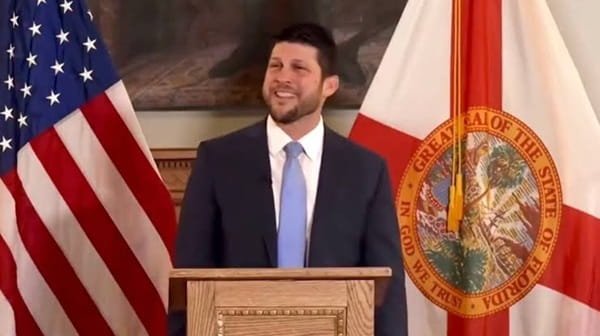
Who Is the Current Attorney General of Florida?
James Uthmeier is Florida’s attorney general. He assumed office February 17, 2025, following the departure of Ashley Moody. The attorney general is the state’s chief legal officer and leads the Department of Legal Affairs.
The Consumer Protection Division handles enforcement involving unfair and deceptive practices affecting the public. The Office of Citizen Services serves as the intake point for consumer reports, general inquiries, Lemon Law contacts and certain other complaint types. State enforcement is different from providing individual legal representation.
Florida Attorney General Contact Numbers
Fraud hotline, toll-free in Florida: 1-866-966-7226 (1-866-9-NO-SCAM) — reports of scams and suspected consumer fraud.
Office of Citizen Services: (850) 414-3990 — consumer complaint and general inquiry contact.
Official website: https://www.myfloridalegal.com/ — office information and complaint resources.
Consumer complaint page: https://www.myfloridalegal.com/consumer-protection/consumer-complaint-form — online filing and printable-form instructions.
Florida’s separate Department of Agriculture and Consumer Services operates the 1-800-435-7352 consumer helpline and regulates specified businesses, including certain movers, motor-vehicle repair shops, and charitable solicitations. That is a different agency from the Attorney General.
Florida Attorney General Office Address
Main office / consumer complaint mailing address: Office of the Attorney General, PL-01, The Capitol, Tallahassee, FL 32399-1050.
The AG’s published consumer complaint instructions direct people using a printed form to mail it to this address. Use the same office’s fraud hotline if you are unsure whether the complaint is appropriate for the Attorney General.
How to File a Complaint With the Florida Attorney General
Step 1: Choose the consumer complaint, not a general message
Open https://www.myfloridalegal.com/consumer-protection/consumer-complaint-form and select the online consumer complaint option. Follow its fields and submit the form using the provided send function. Alternatively, download and print the official paper consumer complaint form on that page.
Step 2: Identify the type of misconduct and the correct regulator
Describe suspected false advertising, fraudulent offers, misleading sales practices or similar consumer harm. For problems governed by specialized licensing agencies, consider whether the Department of Business and Professional Regulation, the Department of Agriculture and Consumer Services, the insurance regulator or another department is the proper destination. The AG’s complaint system is not a substitute for an emergency police report.
Step 3: Record the facts before writing the complaint
Collect the business’s name and address, website, transaction date, exact amount paid, payment method, what was advertised, and what actually happened. Preserve order confirmations, screenshots of representations, receipts, contract terms and emails with customer service. If an offer was made by phone, write down the date and any identifying information while it is still fresh.
Step 4: Explain prior attempts to resolve the issue
State when you contacted the seller, what you requested and how the company responded. Avoid long speculation about motives; direct comparisons between the advertisement, contract and actual conduct are more useful. Send copies of evidence, not originals, when filing on paper, as Florida’s published instructions require.
Step 5: Submit online or mail the completed form
Submit the electronic complaint and save the confirmation or a copy of the completed narrative. If filing by post, attach photocopies of the supporting documents to the printed form and send it to PL-01, The Capitol, Tallahassee, FL 32399-1050. For help choosing a form or reporting a scam, call (850) 414-3990 or the toll-free fraud hotline.
What Happens After You File a Complaint?
Citizen Services collects complaint information, identifies recurring patterns, and shares relevant matters with the Consumer Protection Division. Reports can lead to further review, referrals, investigations or enforcement where the evidence and agency authority support those steps. A report alone does not mean that the Attorney General will sue a company or recover the complainant’s money.
If a card issuer’s dispute deadline or a private legal claim may be approaching, address it separately. A government complaint does not automatically extend contractual, banking or court deadlines.
Frequently Asked Questions
Q. Can I complain about a business operating outside Florida?
You can report suspected wrongdoing affecting you, but jurisdiction and the appropriate agency depend on the facts. Include the company’s actual location and website; the office may refer the report if another regulator is better placed to act.
Q. Is the 1-866-9-NO-SCAM line the same as the main office number?
No. It is the published toll-free fraud hotline, 1-866-966-7226. The Office of Citizen Services also lists (850) 414-3990 as its direct telephone number.
Q. Can I mail supporting contracts and payment records?
Yes. Florida provides a printable complaint form and asks that you attach copies of relevant paperwork. Keep the originals in your own records.
Q. Will the Attorney General demand my refund for me?
Not as a private attorney would. Complaints help identify possible public-law violations. Individual recovery may require contacting the seller, your payment provider or a private attorney, depending on the dispute.
 Amelia Anderson