 By Samantha Paul
An unexpected fee, a misleading advertising claim, or a company that will not honor an agreement may signal more than a routine disagreement. Kansas consumers can ask the Attorney General’s Office to review suspected violations of state consumer-protection laws, but they must select the appropriate complaint path and provide enough information to identify the business.
Kansas uses a central complaint directory that separates consumer complaints from charity concerns, identity theft, unwanted calls, and open-government issues. The distinctions matter: reporting to the right authority can be more useful than filing the same broad complaint in several places.
Who Is the Current Attorney General of Kansas?
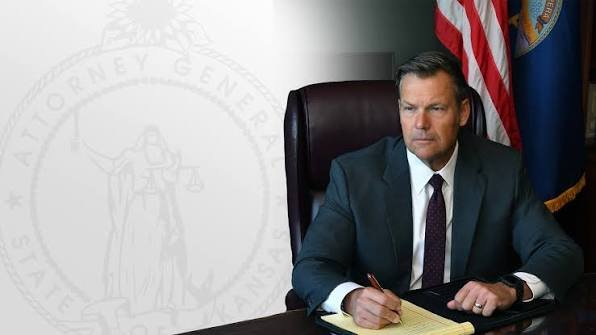
Kris W. Kobach is the Attorney General of Kansas as of October 15, 2026. He took office in January 2023 and serves as the state’s chief legal officer. The office represents the state’s legal interests and carries out several public-protection functions.
Its Consumer Protection Division investigates scams, mediates disputes, and enforces laws including the Kansas Consumer Protection Act, No-Call Act, Roofing Registration Act, and certain charitable solicitation and identity-theft provisions. The office cannot provide personal legal advice, and some consumer disputes lie outside its jurisdiction.
Kansas Attorney General Contact Numbers
Kansas publishes separate telephone lines for the main office and Consumer Protection Division.
- Main office, Topeka: (785) 296-2215 — general office inquiries and routing.
- Main office toll-free: 1-888-428-8436 — statewide general contact number.
- Consumer Protection Hotline: 1-800-432-2310 — marketplace scams and consumer complaints.
- Consumer Protection local number: (785) 296-3751 — consumer specialists and complaint questions.
- Consumer Protection fax: (785) 291-3699 — the division’s listed fax line.
- Crime Victims Compensation: (785) 296-2359 — a separate program for eligible crime victims.
- Victim Services: (785) 291-3950 or 1-800-828-9745 — victim-support matters.
Official contact page: https://www.ag.ks.gov/about-us/contact-us. Listed office hours are 8:00 a.m. to 5:00 p.m., excluding official state holidays.
Kansas Attorney General Office Address
- Attorney General’s main office: 120 Southwest 10th Avenue, 2nd Floor, Topeka, KS 66612-1597.
This is the office’s published Topeka address. For consumer complaints, the state’s online complaint workflow is the clearest route. If you need to submit paper documentation, contact the Consumer Protection Division before mailing records so they can identify the correct process and associate material with your report.
How to File a Complaint With the Kansas Attorney General
Step 1: Open the official complaint directory
Go to https://www.ag.ks.gov/file-a-complaint. Select the category that best describes the situation. For complaints against a business, follow the Consumer Protection option. Kansas also lists separate reporting for charities, government open-records and open-meetings violations, identity theft, unregistered roofers, and unwanted calls.
Step 2: Start the business complaint form
The consumer page is https://www.ag.ks.gov/file-a-complaint/consumer-protection. It uses an interactive questionnaire and CAPTCHA verification. Follow the current prompts rather than assuming that sending a general email registers a complaint. The main contact form specifically directs people with consumer protection or no-call grievances to the dedicated forms.
Step 3: Collect the transaction details
Identify the company, its current or last-known address, the product or service, the date of the transaction, and any amount paid. Summarize the statements or representations you dispute and the business’s response when you sought a correction. Invoices, receipts, contracts, warranty terms, payment records, and relevant messages make the complaint more useful.
Step 4: Describe the requested remedy and review jurisdiction
Explain whether you want a refund, correction of a misleading charge, completion of promised work, or another reasonable outcome. Kansas’s complaint directory says some matters, including insurance-company issues, banking regulation, utility matters, and wage disputes, belong primarily with other state regulators. Choosing the correct agency can avoid unnecessary delays.
Step 5: Submit and keep a copy of the information
Review the account for accuracy and complete the questionnaire, including CAPTCHA requirements. Save the information and any acknowledgement the system supplies; the public page does not promise a specific turnaround time or a particular confirmation format. If you have trouble using the form, call the Consumer Protection Hotline at 1-800-432-2310 or (785) 296-3751.
What Happens After You File a Complaint?
Consumer protection specialists may examine the allegations, seek additional information, attempt mediation, or look for conduct indicating broader violations of Kansas law. The office may pursue public enforcement when justified. It does not follow that every complaint will be investigated or that the consumer will receive money.
Kansas expressly cautions that it cannot offer private legal advice and does not have jurisdiction over every dispute. In cases involving urgent payment disputes, court notices, collection proceedings, or possible filing deadlines, consumers may need to contact their financial institution, the correct licensing regulator, Kansas Legal Services, or a private attorney.
Frequently Asked Questions
Q. Should a complaint about my insurance company go to the Kansas Attorney General?
Kansas lists insurance-company matters under issues outside the Attorney General’s primary complaint jurisdiction and refers residents to the Kansas Insurance Department. Start with the insurance regulator for disputed claims, premiums, coverage, or company conduct, and preserve any appeal deadlines under the policy.
Q. Can I report a roofing contractor who has not registered in Kansas?
Yes. The Attorney General’s complaint directory includes a distinct Unregistered Roofer reporting path. Use that route when the concern is registration status; if the dispute also involves deceptive sales or unfinished paid work, explain those facts and ask Consumer Protection whether another complaint is appropriate.
Q. Does Kansas use the same complaint form for public-records disputes?
No. Complaints involving the Kansas Open Records Act or Kansas Open Meetings Act have a separate governmental-entity process and prescribed complaint requirements. The ordinary business-consumer form is not a substitute for a KORA or KOMA report. Those complaints may also involve the appropriate county or district attorney.
Q. Can the Attorney General force a business to pay my individual claim?
The state may attempt mediation or take enforcement action, but it does not serve as your lawyer and cannot promise a personal refund. If you need a binding decision or have a legal deadline, independent advice about small claims, other civil procedures, or contractual remedies may be necessary.