 By Samantha Paul
A payment dispute becomes especially difficult when the business stops responding. Kentucky consumers in that position can request help through the Attorney General’s consumer mediation system, which is designed to seek cooperation from businesses and identify suspected deceptive commercial practices. It is not a court process, and mediation does not give the office power to compel a private settlement.
Kentucky has also updated its complaint forms, so residents should begin at the official complaint page rather than rely on an old saved portal link. This guide provides the current office contacts, the correct filing route, and the limitations of the state’s assistance.
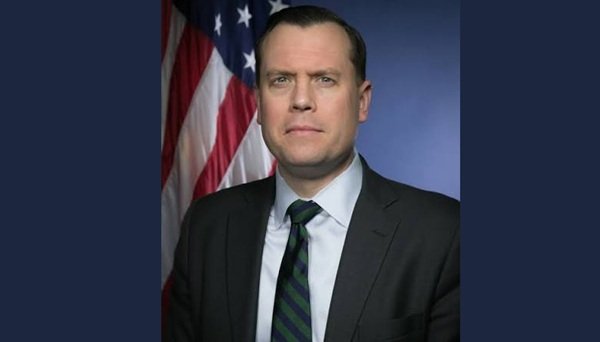
Who Is the Current Attorney General of Kentucky?
As of October 15, 2026, Russell Coleman is Kentucky’s Attorney General. He began his term in December 2023. The Attorney General is the Commonwealth’s chief legal officer, responsible for representing state interests and enforcing laws in areas including consumer protection.
Kentucky’s Office of Consumer Protection enforces the Kentucky Consumer Protection Act, which addresses unfair, false, misleading, and deceptive commercial practices. The Office of Senior Protection and Mediation also handles consumer mediation assistance and scam-related services. Neither office can give individual residents private legal advice or represent them in ordinary civil disputes.
Kentucky Attorney General Contact Numbers
The published numbers distinguish general calls, consumer mediation, and specialized reporting.
- Main office switchboard: (502) 696-5300 — general inquiries to the Attorney General’s Office.
- Consumer Protection switchboard: (502) 696-5389 — consumer-protection matters and assistance with filing.
- Consumer Protection Hotline: 1-888-432-9257 — consumer complaints and reports of suspected scams.
- Main office fax: (502) 564-2894 — official general fax line.
- Office of Consumer Protection fax: (502) 573-8317 — division’s published fax contact.
- Rate Intervention switchboard: (502) 696-5453 — utility-related matters with a specialized form.
- Medicaid Fraud / Patient Abuse hotline: 1-877-228-7384 — matters outside the normal retail-consumer process.
Official contact directory: https://www.ag.ky.gov/Contact-Us/Pages/default.aspx. A general email inquiry is not the same as a completed consumer mediation request.
Kentucky Attorney General Office Address
- Main office and Office of Consumer Protection: Office of the Attorney General, 1024 Capital Center Drive, Suite 200, Frankfort, KY 40601.
- Consumer mediation paper correspondence: The official Consumer Mediation Request materials list the Attorney General’s office at 1024 Capital Center Drive, Frankfort, KY 40601; verify current paper-filing instructions with Consumer Protection before sending documents.
Because the state now directs users to an updated online mediation request form, start with the current official consumer complaints page when possible. Do not use an old direct form link: one earlier Kentucky government portal now explicitly says that form is no longer in use.
How to File a Complaint With the Kentucky Attorney General
Step 1: Attempt to resolve the matter with the business
Kentucky advises consumers to contact the salesperson, manager, customer-service department, or company headquarters before requesting state mediation. Keep dates, names, response emails, and written refund requests. That history helps explain why the dispute remains unresolved and why the Attorney General’s assistance is requested.
Step 2: Open the current consumer complaint and mediation form
Go to https://www.ag.ky.gov/Resources/Consumer-Resources/Consumers/Pages/Consumer-Complaints.aspx and select Consumer Complaint and Mediation Request. The current page routes users to a newer online form. Separate links apply to utilities, telemarketing/no-call complaints, and consumer data privacy concerns.
Step 3: Identify the business and explain the disputed conduct
Provide the company’s correct name and current address, the product or service involved, the dates and amount paid, and the precise representations or actions you dispute. Explain what the company promised, what it delivered, and what you would consider a fair remedy. A specific request, such as a stated refund amount or completion of particular work, is more useful than a general demand for justice.
Step 4: Provide supporting documents without sending originals
Add copies of contracts, bills, warranties, receipts, cancelled checks, advertisements, and correspondence where the form permits. The state advises consumers to keep original documents. Avoid sharing unnecessary sensitive numbers, and do not assume that including private financial material in a general message is necessary to establish a complaint.
Step 5: Submit and retain your record of the request
Complete the official mediation request and save a copy of the details you submitted. For questions about the updated online form or paper alternatives, contact the Consumer Protection switchboard at (502) 696-5389 or the consumer hotline at 1-888-432-9257. Filing the form requests help; it is not a court filing or an enforceable order against the company.
What Happens After You File a Complaint?
If Kentucky considers the complaint suitable for mediation, staff may ask the business to respond to the consumer’s allegations. According to the Attorney General’s published guidance, a company that declines to respond or cooperate can effectively stop the mediation effort. The office may still retain the complaint to identify patterns and potential law violations.
Cases outside mediation’s scope may be referred to a more appropriate agency. The Attorney General can file lawsuits in the public interest, but those actions do not guarantee repayment to an individual complainant. Someone facing financial loss may also need to consider a credit card dispute, the applicable small claims process, or legal counsel rather than waiting indefinitely for mediation.
Frequently Asked Questions
Q. What if the company refuses to respond to Kentucky’s mediation request?
The Attorney General explains that mediation depends on business cooperation. If the company ignores the request or refuses to participate, the office generally cannot force it to negotiate simply through mediation. The complaint can still help the state monitor the marketplace; a private claim may require another process.
Q. Can I use the consumer form for a landlord’s refusal to return my security deposit?
Kentucky specifically says landlord-tenant disputes involving security deposits, eviction, mold, and lease conditions generally fall outside its consumer mediation service because they are private matters under lease or property agreements. A tenant may need local housing resources, legal aid, or independent legal advice.
Q. Where should I complain about a regulated utility service?
Kentucky’s consumer complaint page directs utility matters to the Office of Rate Intervention’s separate Utility Complaint Form. Choosing that option helps distinguish service or rate concerns from ordinary retail-business disputes. The Rate Intervention switchboard is (502) 696-5453.
Q. Will the Attorney General recover my money if it sues the business?
Not necessarily. The office says public enforcement may stop unlawful practices even when consumer repayments cannot be obtained. A business may be insolvent or the available evidence may not support individual restitution. For a personal refund or damages claim, consider applicable payment-dispute rights and timely private remedies.