 By Samantha Paul
A customer buys a costly appliance that never arrives, and the retailer stops answering messages. Another Washington resident receives repeated charges for a service they already canceled. Such problems may involve a broken promise, deceptive conduct, or a genuine misunderstanding. Reporting them to the Washington Attorney General can create a record of suspected unlawful practices, and the office offers a free, informal process for asking a business to respond.
The process is useful, but it is not the same as winning a lawsuit or securing a refund. This guide sets out who leads the office in 2026, where to call or write, how to submit the correct complaint, and what the state can realistically do after receiving it.
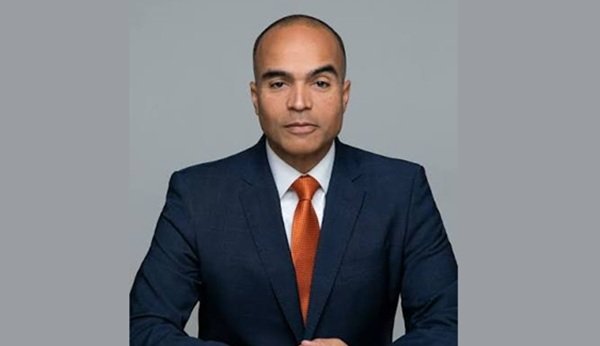
Who Is the Current Attorney General of Washington?
As of October, 2026, Nick Brown is the Attorney General of Washington. He took office in January 2025 after the 2024 election. Brown previously served as U.S. Attorney for the Western District of Washington and as legal counsel to Governor Jay Inslee. The office provides legal services to state agencies and works on consumer protection, civil rights, environmental enforcement, and other matters involving the state.
The Consumer Protection Division enforces state consumer laws and offers informal complaint resolution. It can bring cases on behalf of the state, but it cannot represent a resident in a private lawsuit or offer personal legal advice. Consumers seeking compensation may still need a payment dispute, small-claims action, or private attorney.
Washington Attorney General Contact Numbers
- Consumer Resource Center, toll-free within Washington: 1-800-551-4636 — questions about consumer concerns and filing a complaint.
- Consumer Resource Center, local/out-of-state: 206-464-6684 — alternative to the in-state toll-free number.
- Washington State Relay Service: 1-800-833-6388 — relay assistance for callers with hearing or speech disabilities.
- Main Olympia office: 360-753-6200 — statewide office contact, not the designated consumer-complaint hotline.
Consumer call centers are listed as open Monday through Friday, 10 a.m. to 3 p.m. The main office publishes general hours of 8 a.m. to 5 p.m., excluding weekends and state holidays. Official complaint page: https://www.atg.wa.gov/file-complaint
Washington Attorney General Office Address
- Headquarters: Washington State Office of the Attorney General, 1125 Washington Street SE, Olympia, WA 98504.
- General office mailing address: P.O. Box 40100, Olympia, WA 98504.
- Paper consumer complaints: Attorney General Consumer Resource Center, 800 Fifth Avenue, Suite 2000, Seattle, WA 98104-3188, as directed on the official complaint page.
The Seattle address is specifically given for mailing downloaded consumer complaint forms. Use that address for a paper complaint rather than assuming that general correspondence mailed to Olympia will enter the consumer-resolution system.
How to File a Complaint With the Washington Attorney General
Step 1: Open the state complaint page
Visit https://www.atg.wa.gov/file-complaint and select General Consumer Complaint Form to submit online. A downloadable PDF is available for people who prefer mail. The page also offers distinct channels for robocalls, manufactured housing, certain employment concerns, and Medicaid fraud. Select the form relevant to the problem rather than sending every concern through the general form.
Step 2: Confirm that the complaint belongs with this office
Washington accepts complaints from Washington residents and from consumers dealing with businesses located in Washington. Ordinary disputes involving a different regulator may be better routed elsewhere. The state page specifically identifies several problems outside its general process, including some residential landlord-tenant issues and certain online scam reports.
Step 3: Assemble transaction records
Provide your name and mailing contact information, the business name and address, purchase or service dates, the amount involved, and a factual description of the problem. Attach copies of receipts, order confirmations, cancellation notices, warranties, advertisements, and correspondence. Explain when you asked the seller to correct the issue and what the business said in response.
Step 4: Review information before sending
The office may provide your complaint and supporting documents to the business so it can respond. Keep your account focused on facts and remove unnecessary sensitive financial or identity information from attachments. If you need to send a paper form, use the Seattle mailing address provided above. Retain copies of the signed or submitted materials.
Step 5: Submit and keep the complaint number
After evaluating the submission, the Attorney General’s Office says it notifies consumers of the assigned complaint number and contact information. Use that number whenever you send updates, including a new business reply, a corrected receipt, or evidence of additional charges. Submitting multiple complaints about the same transaction is less useful than maintaining one clear record.
What Happens After You File a Complaint?
If the matter falls within its responsibility, the office sends the complaint and relevant materials to the business and asks it to respond within 30 days. If no response comes, the office follows up. A satisfactory business proposal may be forwarded to the consumer and the file closed. If the seller refuses, ignores the request, or offers an inadequate response, the complaint may still be closed; the state cannot compel a private settlement through this informal service.
The information remains useful for detecting repeated unlawful practices. The Attorney General may later investigate or sue on behalf of the public, but an individual complaint does not guarantee enforcement or restitution. A court deadline or credit-card dispute deadline may continue running while the complaint is reviewed.
Frequently Asked Questions
Q. Can someone outside Washington complain about a Washington business?
Yes. The office expressly offers its consumer-resolution service to people who have complaints about businesses located in Washington, even if the consumer lives elsewhere. Explain the company’s Washington connection and provide its full business details.
Q. How long does a business have to answer the complaint?
The state asks businesses to respond within 30 days and says it will make another contact if the business does not respond. This is a request within an informal resolution program, not a guarantee that the company will reply or that a refund will be ordered.
Q. Should I submit a robocall complaint using the general consumer form?
No. The official complaint page offers a separate Robocall Complaint Form. Use the specialized form so the office receives details relevant to unwanted calls, such as the caller number, time, recorded message, and any claimed business identity.
Q. Will a closed consumer complaint prevent a later investigation?
Not necessarily. Washington explains that closed complaints can help identify patterns leading to civil investigations or enforcement actions. The office generally does not confirm ongoing investigations, so closure of the informal file should not be read as a finding that the business obeyed the law.