 By Samantha Paul
A witness does not have to sit in a courtroom to give testimony that matters in a legal case. During a deposition, attorneys question a person under oath, usually before trial, and preserve the answers in a recorded form. The testimony can reveal what a witness knows, test competing accounts, and identify evidence that might otherwise remain hidden. Depositions also help lawyers assess how testimony may stand up under questioning. Unlike a casual interview, a deposition carries legal duties of truthfulness and follows formal procedural rules. Understanding the process is important for litigants, witnesses, paralegals, and anyone asked to appear.
What a Deposition Means in Civil Litigation
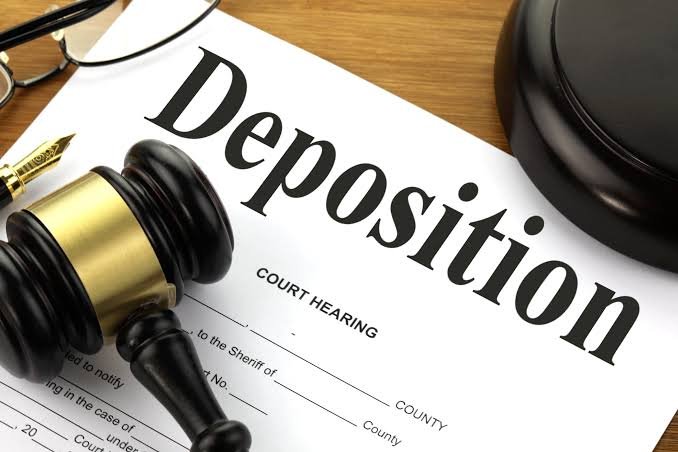
A deposition is sworn testimony taken outside court as part of the discovery process. The person answering questions is the “deponent.” Depositions are particularly common in personal injury, employment, commercial, and other civil disputes. They usually take place after a lawsuit is filed, although narrow procedures allow testimony to be preserved earlier.
A deposition is not a trial and the questioning attorney is not a judge. Nevertheless, answers become part of an official record and can have consequences if they are materially false or inconsistent with later testimony.
Unlike interrogatories, which are answered in writing by a party, depositions allow follow-up questions in real time. The attorney can ask a witness to explain an ambiguous answer, identify a document, or describe what happened immediately before an event. That flexibility is one reason depositions often become important turning points in litigation.
Who Attends and How the Process Works
Ordinarily, lawyers give notice of an oral deposition to the parties. A nonparty witness may need a subpoena, subject to rules protecting against undue burdens. The deponent takes an oath or affirmation, questions are asked, and testimony is recorded by a qualified officer through a transcript, audio, or video. Counsel for other parties may also ask questions.
Federal Rule of Civil Procedure 30 generally limits each deposition to one day of seven hours unless the parties agree or the court orders otherwise. Federal rules also ordinarily limit each side to ten depositions without further authorization. These are federal defaults, not universal limits for state cases.
A business or agency may be required to designate one or more people to testify about identified organizational topics under Rule 30(b)(6). That is different from questioning an employee only about personal observations.
Questions, Objections, and Witness Responsibilities
Questions may address relevant facts, conversations, documents, timelines, injuries, business practices, and other matters within the permitted discovery scope. A witness should listen carefully, answer only what is asked, and distinguish personal knowledge from assumptions. “I do not remember” is appropriate when truthful; guessing to fill a gap is not.
An attorney may object to preserve a legal issue, but in federal practice the witness usually still answers. Directions not to answer are generally confined to preserving privilege, enforcing a court-ordered limitation, or seeking protection from improper questioning. Attorney-client communications and certain other protected materials may remain confidential.
Preparation ordinarily means reviewing relevant records, understanding the subjects involved, and meeting with counsel where appropriate—not memorizing a manufactured story. Deliberately false sworn testimony can carry serious consequences.
How Deposition Testimony Affects a Case
A deposition can expose contradictions, support settlement discussions, identify additional witnesses, or establish facts for pretrial motions. Under Federal Rule 32, deposition testimony may also be used at trial to challenge inconsistent testimony. Other permitted uses include certain testimony from an opposing party or an unavailable witness, subject to evidentiary and procedural conditions.
For example, a store manager might testify that a spill was cleaned at 2 p.m. If security records later show the spill remained until 3 p.m., the deposition provides a fixed statement against which that evidence can be compared. The discrepancy is not automatically proof of dishonesty, but it is relevant to credibility.
Practical Protections and Limits
Witnesses may seek reasonable accommodations, and counsel can request protective measures against harassment, confidential-information exposure, or disproportionate demands. Remote depositions are possible by agreement or court order under applicable rules. A witness should not simply ignore a valid subpoena or notice; disputes over attendance or scope should be addressed through counsel and appropriate court procedures.
A nonparty subpoena is governed by its own service, geographic, and burden protections. In federal practice, Rule 45 can require payment of certain witness fees and mileage. A witness facing an unusually demanding request should promptly seek legal guidance rather than assume the subpoena may simply be disregarded.
Frequently Asked Questions
Q. Can a deposition occur before a lawsuit begins?
In limited circumstances. Federal Rule 27 allows a court-approved deposition to preserve testimony when a person expects to be involved in a federal case but cannot yet bring it. It is not a general way to investigate whether a claim exists.
Q. Can someone correct a deposition transcript?
Under Federal Rule 30(e), a deponent who properly requests review before the deposition ends generally has 30 days after notice that the transcript or recording is available to review it and sign a statement listing changes and reasons. The original answers remain part of the record.
Q. Does a witness have to pay for a lawyer?
A witness may consult or retain an attorney, but representation is not automatically provided in an ordinary civil deposition. Insurance coverage, employment arrangements, and special circumstances may affect who pays.
Q. Are depositions automatically open to the public?
Not necessarily. Depositions usually occur outside open court and are not routinely filed in full. Portions may become accessible if filed or used in court, subject to sealing orders and privacy rules.